
Cycling places heavy demands on the body, and many athletes look for natural ways to support endurance and recovery. Natural astaxanthin is gaining attention for its potential to reduce oxidative stress and help cyclists maintain performance during intensive training.
Cycling places high oxidative stress on muscles and the cardiovascular system, especially during long rides, repeated intervals, and intensive training blocks. This oxidative stress can lead to muscle fatigue, slower recovery, and increased cellular damage over time.
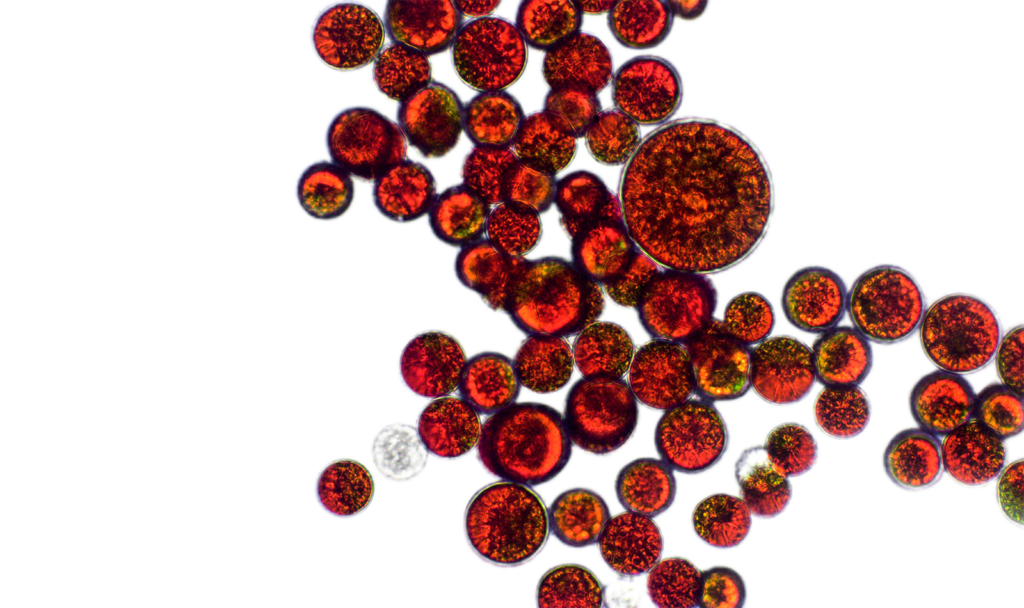
Astaxanthin is one of the most powerful antioxidants commercially available, renowned for its broad health benefits. It is a naturally occurring red carotenoid derived from the microalga Haematococcus pluvialis, the richest known natural source of astaxanthin. Research shows that astaxanthin not only neutralizes free radicals more effectively than many other antioxidants but also supports cellular health, cardiovascular function, eye health, and exercise recovery.
Several studies suggest that taking astaxanthin may help cyclists perform longer and recover faster, reducing muscle fatigue and oxidative stress during intense rides [1,2]. For example, astaxanthin has been shown to improve performance in a 40 km cycling time trial, supporting enhanced endurance and more efficient energy utilization. Broader clinical evidence also indicates that astaxanthin can reduce oxidative stress and mild inflammation, supporting recovery and reducing exercise‑induced muscle damage [2,3].
Primary Benefits for Cyclists
- Supports recovery after heavy training –helps muscles repair more efficiently after demanding sessions.
- Reduces oxidative stress during long rides – protects cells from free radical damage.caused by intensive exercise.
- Supports endurance resilience under repeated load – helps sustain performance across multiple training days.
- Reduces muscle fatigue accumulation – supports maintaining higher intensity for longer periods.
In addition to these primary benefits, astaxanthin may support cardiovascular function and circulation, help maintain joint comfort during repetitive training, and protect eye health during long outdoor rides. These effects contribute to long-term cellular health and overall athlete wellbeing.
Incorporating natural astaxanthin into a cyclist’s nutrition plan provides a natural, evidence-based way to enhance performance, reduce fatigue, and support recovery. Whether training for long distance rides or engaging in daily intensive rides, astaxanthin can be a valuable for both short term performance and long-term athlete health.
References
1. Daniel R Brown et al. The effect of astaxanthin supplementation on performance and fat oxidation during a 40 km cycling time trial. J Sci Med Sport. 2021 Jan;24(1):92‑97. https://pubmed.ncbi.nlm.nih.gov/32660833/
2. Jung-Piao Tsao, Pei-Yu Wu, Hsu-Tung Kuo, et al. Effect of astaxanthin supplementation on cycling performance, muscle damage biomarkers and oxidative stress in young adults: a randomized controlled trial. BMC Sports Sci Med Rehabil. 2025 Jul 4;17(1):180. https://pubmed.ncbi.nlm.nih.gov/40615903/
3.Earnest P, Lupo M, Johnson E, et al. Effect of astaxanthin on cycling time trial performance. Int J Sports Med. 2011;32(11):882‑888. https://pubmed.ncbi.nlm.nih.gov/21984399/
Learn more about Astalif™ Natural Astaxanthin from Algalíf: