
Adding natural astaxanthin to your daily routine supports the skin’s natural resilience and contributes to effective sun protection during sunlight exposure.
While sunlight is essential for life, it also presents a constant challenge to living organisms. Ultraviolet light is a component of sunlight that has wavelengths beneath 400 nm and is therefore not visible to the human eye. However, it has a potential of damaging cell components; including DNA, proteins and lipids. When the human skin is exposed to ultraviolet light, this damage manifests as sunburn and premature aging of the skin and it leads to an increased risk of skin cancer.
While modern sunscreens are effective at blocking or absorbing UV radiation, nature has evolved its own sophisticated strategies for coping with intense sunlight. Among the most interesting of those can be found in different species of microalgae.
Haematococcus pluvialis and natural astaxanthin
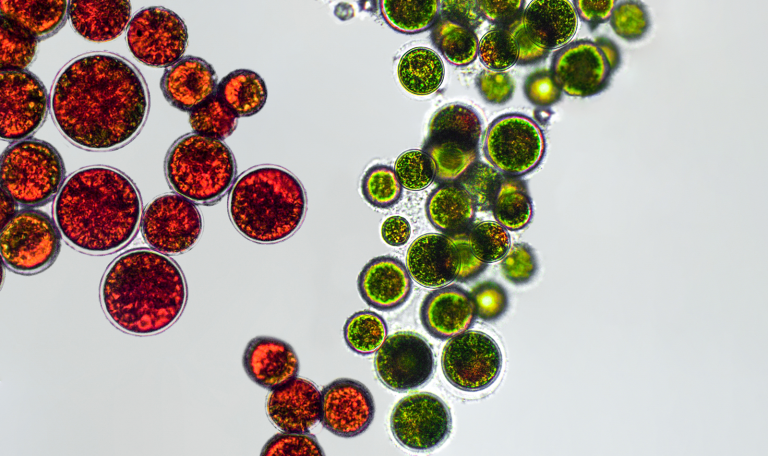
One species in particular, Haematococcus pluvialis, has developed an extraordinary ability to survive under extreme environmental stress, which includes high light exposure. The core of this defense mechanism is the production of the red chemical compound astaxanthin, which unique structure protects the organism in several different ways. Astaxanthin contains conjugated double bounds that allow it to interact very efficiently with reactive oxygen species (ROS), which are generated in large amounts when cells are exposed to UV radiation.
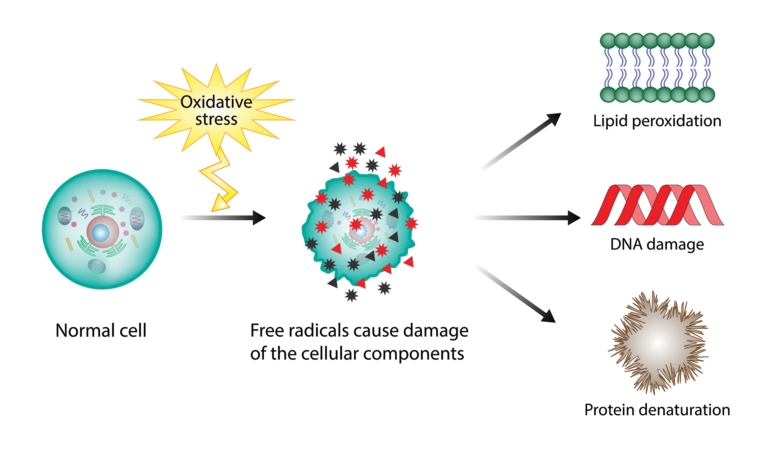
This feature of astaxanthin is one of the main reasons why astaxanthin has been gaining increased interest as a neutraceutical for human in recent years, and the demand for the compound is growing steadily. In the human skin, UV exposure leads to the formation of ROS such as singlet oxygen and free radicals. These molecules can initiate chain reactions that damage cell membranes, degrade collagen and disrupt normal cellular function. Over time, this contributes to visible signs of aging and and loss of skin integrity. By reducing oxidative damage, astaxanthin helps preserving skin structure and elasticity, limit photoaging processes and supporting overall overall skin resilience under environmental stress.
A complementary approach to sun protection
Using modern sunscreens to protect the skin from the exposure to ultraviolet light is generally a good idea. Adding another layer of protection from inside the human body by daily consumption of natural astaxanthin is even better.
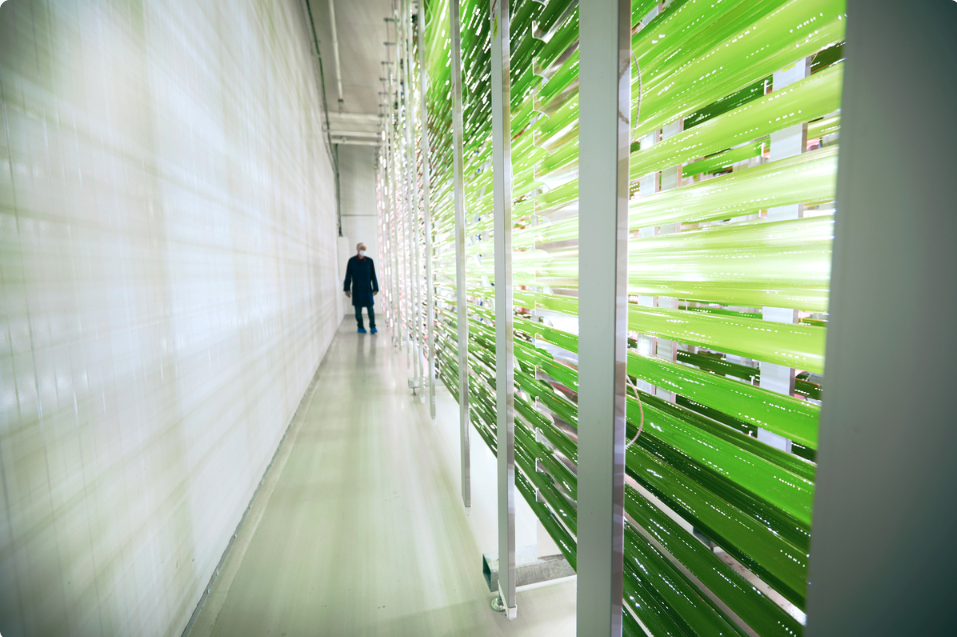
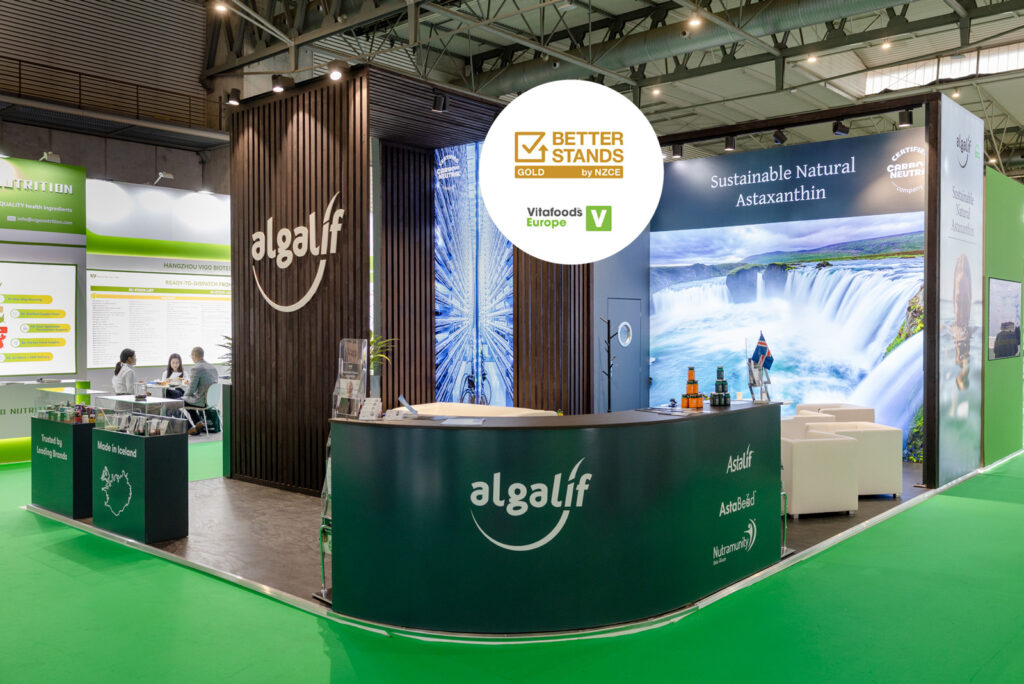
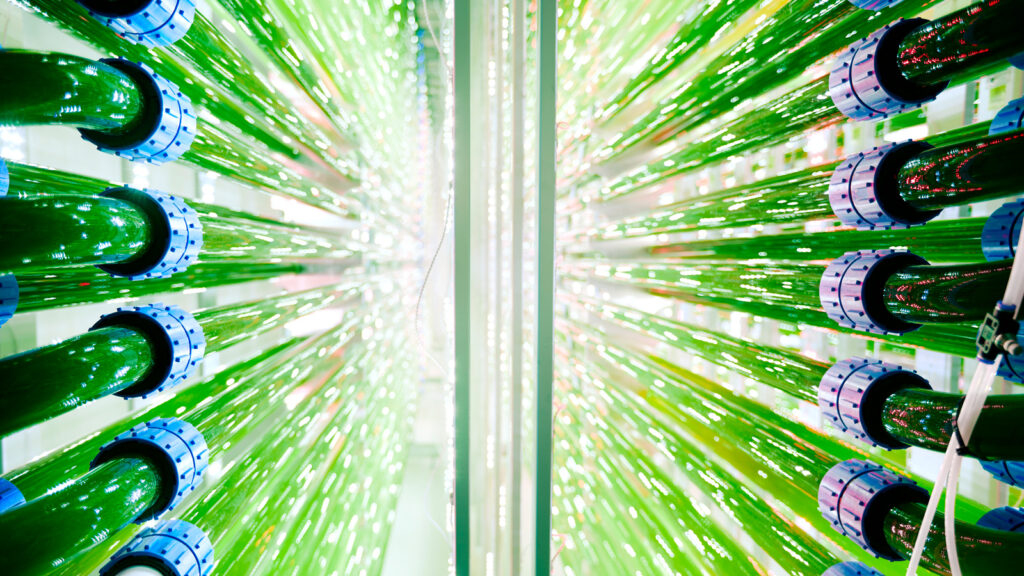
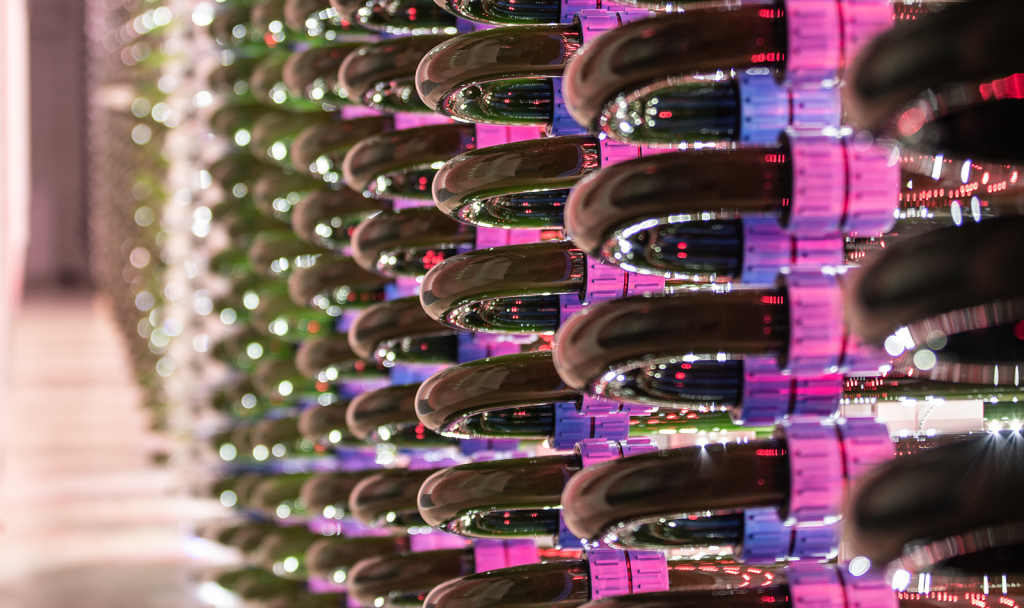
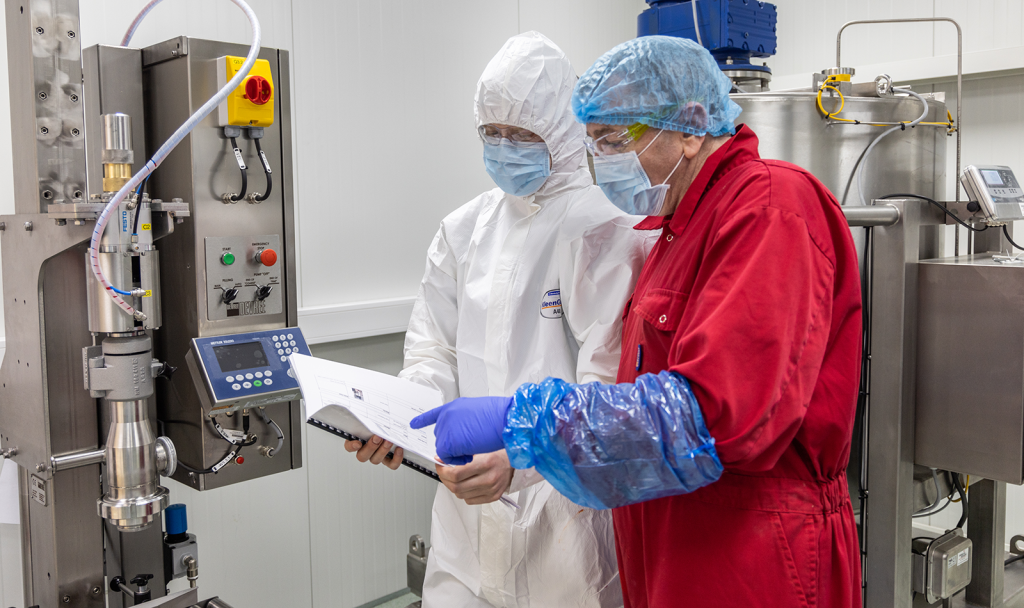
At Algalif, this natural defense mechanism is harnessed through sustainable cultivation of Haematococcus pluvialis, enabling the production of high-quality natural astaxanthin for the global wellness market.
Learn more about how astaxanthin supports skin health and resilience: